


10 Things System Integrators Must Check Before Partnering with a Thermal Printer OEM
In the evolving landscape of system integration, thermal printers are a crucial component, widely used across industries like retail, logistics, and healthcare. From mobile thermal printers in India to barcode label printers, selecting the right thermal printer OEM can significantly impact the success of your projects. System integrators need to carefully evaluate potential OEM partners to ensure seamless integration, robust performance, and reliable support.
Here are 10 essential factors system integrators must check before partnering with a thermal printer OEM to avoid common pitfalls and ensure project success.
1. Diverse Product Range and Compatibility
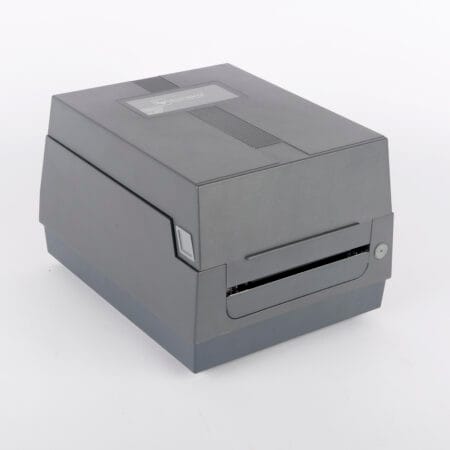
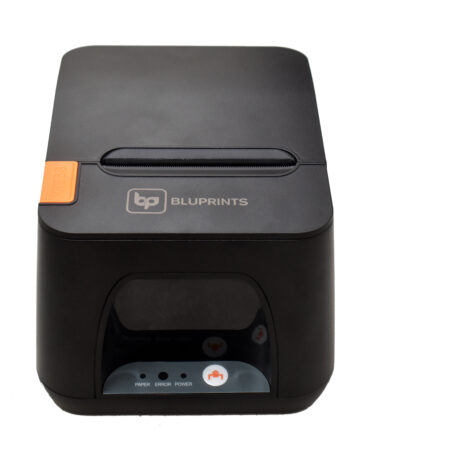
A trustworthy OEM should offer a broad portfolio of products suited to your client’s needs. This includes thermal receipt printers India, barcode printers, and mobile printers India capable of handling various printing requirements. Many retail and logistics applications rely on printers compatible with the 3 inch thermal paper roll, so verify the OEM supports such standard sizes to ensure compatibility.
2. Driver Support and Software Compatibility
Integration success hinges on the availability of updated and compatible drivers. A reliable OEM regularly updates drivers to support popular operating systems and platforms. This is especially critical for complex systems like POS machines India, where thermal printers must communicate flawlessly with point-of-sale software. Confirm that driver downloads are easy to access and that the OEM offers technical support for installation.
3. Warranty and After-Sales Support
Effective after-sales service can save you from costly downtime. Before partnering, check the OEM’s warranty terms, service response times, and availability of support personnel. Good OEMs provide timely technical assistance, spare parts, and repair services that keep your systems running smoothly. This becomes particularly important when deploying multiple mobile thermal printers India across various locations.
4. Pricing Transparency and Cost of Ownership
While the thermal printer price in India varies, the total cost of ownership matters more. Beyond upfront costs, factor in consumables like thermal paper, maintenance expenses, and device longevity. Opting for a cheap barcode label printer with frequent malfunctions may increase your overall costs. A cost-effective OEM balances pricing, durability, and support.
5. Connectivity Options and Technology
Printers with Bluetooth and wireless capabilities are quite helpful for modern integrations. Evaluate whether the OEM offers top Bluetooth thermal printers or other connectivity options that allow easy and flexible deployment. For mobile applications, such as delivery or inventory management, a wireless portable mobile printer ensures better mobility and ease of use.
6. Robust Build Quality and Durability
From dusty factories to outdoor shop booths, thermal printers frequently work in difficult conditions. Assess the OEM’s reputation for manufacturing durable, rugged devices that withstand such conditions. This reduces the need for frequent repairs or replacements, saving you time and costs in the long run.
7. Ease of Integration with Documentation
Good documentation, including APIs and SDKs, is invaluable during integration. The OEM should provide comprehensive manuals and developer tools that simplify the process of connecting printers with your software ecosystem. This streamlines development, reduces errors, and accelerates deployment, especially important when working with thermal receipt printers India.
8. Customization and Flexibility
Every client’s needs are unique, and OEM flexibility can be a big advantage. Check if the OEM offers customization options such as firmware tweaks, unique paper sizes, or branded printing. Tailoring these aspects to your client’s requirements ensures a better fit and improves user experience.
9. Compliance with Local Regulations
Ensure the thermal printer OEM complies with relevant certifications and standards, especially for products sold in India. Compliance guarantees safety, reliability, and legal adherence, which can simplify procurement and installation processes.
10. Proven Track Record and Customer Feedback
Finally, don’t be afraid to request case studies or references. Speaking with clients or other system integrators who have collaborated with the OEM provides insightful information about the quality of support and product dependability. A reliable collaboration is demonstrated by positive reviews and successful case studies.
Conclusion
At Bluprints, Choosing the right thermal printer OEM is a critical step for system integrators aiming to deliver dependable and effective solutions. By carefully considering product variety, driver compatibility, support quality, pricing, and other factors in this checklist, you can establish a solid partnership that drives project success.
Whether you require the best mobile thermal printer in India, a reliable barcode label printer, or a versatile thermal receipt printer India, following these guidelines helps ensure your integration projects are seamless and future-proof.
Keeping this checklist in mind, system integrators can confidently select an OEM that matches their technical and business needs, minimizing risk and maximizing client satisfaction.
