
Home
Shop
printer

Revolutionizing Healthcare with Thermal Printers: Enhancing Efficiency in Pathology Labs

In today’s fast-paced healthcare environment, precision, speed, and efficiency are critical. Pathology laboratories are at the forefront of patient diagnosis and treatment, conducting crucial tests such as RT-PCR, ECG, sound level measurements, and otoacoustic emissions (OAE) tests. The ability to generate real-time, accurate test reports plays a pivotal role in ensuring effective patient care. One technology making a significant impact in this domain is Bluetooth-enabled thermal printing.

The Need for Advanced Printing Solutions in Healthcare

Traditional printing methods often come with challenges such as slow processing times, reliance on costly ink-based systems, and complex wiring setups. With the growing demand for quick report generation and accurate documentation, pathology labs require a more efficient and streamlined approach. This is where thermal printing technology steps in, offering real-time, wireless printing solutions that enhance lab productivity while reducing operational costs.

Benefits of Bluetooth-Enabled Thermal Printers in Pathology Labs

1. Enhanced Efficiency & Workflow Optimization

Thermal printers eliminate the need for wired connections, allowing lab technicians to print reports instantly from any location within the facility. This results in a smoother workflow, minimizing delays and reducing turnaround times for critical test reports.

2. Cost-Effective Printing

One of the most notable advantages of thermal printing technology is its cost-effectiveness. Unlike traditional inkjet or laser printers that require regular ink or toner replacements, thermal printers use heat-sensitive paper, significantly reducing maintenance and supply costs. Additionally, labs can achieve over 50% savings on paper expenses compared to standard A4 sheet printing.

3. Real-Time Report Generation

Time is of the essence in pathology labs, where immediate test results can impact crucial medical decisions. Bluetooth-enabled thermal printers facilitate instant printing of RT-PCR, ECG, and audiometry reports, ensuring healthcare professionals can access diagnostic information without unnecessary delays.

4. Improved Accuracy & Data Integrity

Manual errors in report generation can lead to misdiagnosis and treatment delays. Thermal printers minimize such risks by directly integrating with lab equipment and software systems, ensuring precise and error-free printouts.

5. Enhanced Patient Experience

Patients expect quick and seamless services when undergoing medical tests. Faster report generation leads to shorter wait times, enhancing the overall patient experience and satisfaction. With instant printing capabilities, patients can receive their test results promptly, leading to better-informed medical consultations.

Applications of Thermal Printers in Health-Tech

Thermal printers are being widely adopted in various healthcare settings, including:

· Portable ECG Report Printing: Wireless thermal printers allow quick and efficient printing of ECG reports, assisting cardiologists in making rapid decisions.

· RT-PCR Test Reports: Given the importance of RT-PCR testing in diagnosing viral infections, instant printing ensures faster patient triage and isolation decisions.

· Audiometry Reports: Precise audiometry test reports are crucial for diagnosing hearing disorders, and thermal printers offer seamless printing solutions.

· Otoacoustic Emissions (OAE) Testing: OAE detectors generate valuable data for hearing assessments, requiring efficient and immediate printouts for accurate evaluations.

· Sound Level Meters: Used in various diagnostic applications, sound level meters produce critical readings that thermal printers can document in real-time.

A Case Study: The Impact of Thermal Printers in Pathology Labs

A leading pathology laboratory identified the need to modernize its report printing infrastructure to enhance efficiency. By integrating Bluetooth-enabled thermal printers, the lab achieved:

· 30% faster report generation compared to traditional printing methods.

· 50% reduction in operational costs due to the elimination of ink and toner expenses.

· Seamless wireless integration, reducing clutter and improving workplace organization.

· Greater mobility, allowing technicians to print reports from anywhere within the lab premises.

Conclusion:

As healthcare technology advances, thermal printing solutions will continue to play a vital role in improving efficiency and patient care. By adopting Bluetooth-enabled thermal printers, pathology labs can streamline their operations, reduce costs, and enhance diagnostic accuracy. BluPrints, a leader in innovative printing solutions, is at the forefront of this transformation, ensuring that healthcare facilities have access to the best-in-class printing technology. Investing in thermal printing is not just about improving workflow—it’s about revolutionizing healthcare efficiency for a better tomorrow.

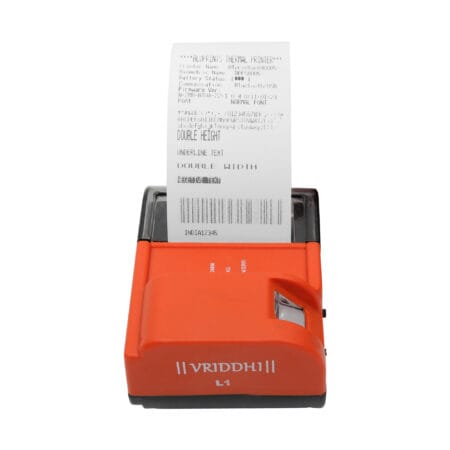
Vriddhi L1

E-KYC and Aadhaar Verification Made Simple with Thermal Printers

In today’s rapidly digitizing world, efficient and secure identity verification is paramount, especially in sectors like banking and government services. Electronic Know Your Customer (E-KYC) processes, coupled with Aadhaar verification in India, have streamlined customer onboarding and service delivery. Integrating thermal printers into these digital workflows enhances efficiency and security. This article explores how thermal printers support E-KYC and Aadhaar verification in the banking and government sectors.

Understanding E-KYC and Aadhaar Verification

What is E-KYC?

E-KYC is the electronic process of verifying a customer’s identity using digital platforms. It eliminates the need for physical documentation, reducing paperwork and speeding up verification processes. This method relies on digital data and biometric authentication, ensuring a secure and tamper-proof way of verifying identities.

The Role of Aadhaar in E-KYC

In India, Aadhaar serves as a unique identity number for every resident, issued by the Unique Identification Authority of India (UIDAI). It is widely used for E-KYC verification as it includes biometric data like fingerprints and iris scans, along with demographic information. This robust system allows organizations to authenticate identities quickly and accurately.

How Thermal Printers Enhance E-KYC and Aadhaar Verification with Vriddhi L1

Thermal printers are pivotal in streamlining E-KYC and Aadhaar verification workflows, offering fast and reliable printing solutions. With Vriddhi L1, businesses can ensure next-level biometric authentication and seamless integration with thermal printing technology. Here’s how they support digital transformation in banking and government sectors:

  1. Instant Document Printing : Thermal printers enable on-the-spot printing of crucial documents such as verification receipts, transaction slips, and acknowledgment copies. This feature ensures that customers receive immediate proof of their identity verification, enhancing trust and satisfaction.
  2. Portability and Convenience : Portable thermal printers are lightweight and easy to carry, making them ideal for field operations. When combined with Vriddhi L1, field agents can perform secure and efficient Aadhaar verification anywhere, ensuring that essential services reach underserved communities.
  3. Enhanced Security and Accuracy : Thermal printers produce high-quality, tamper-evident prints that safeguard sensitive information. The clarity and durability of thermal prints reduce the risk of fraud and unauthorized modifications.

Applications in the Banking Sector

Thermal printers are instrumental in modernizing banking operations by facilitating efficient E-KYC and Aadhaar verification:

  • Account Opening : Banks can streamline the account opening process by instantly printing verification receipts and account details. This reduces waiting times and enhances customer satisfaction.

  • Micro ATMs and Digital Banking : Micro ATMs equipped with thermal printers allow banking agents to perform essential financial transactions in remote locations. Customers receive printed receipts for cash withdrawals, deposits, and fund transfers, ensuring transparency and trust.

  • Loan Processing and Documentation : During loan applications, thermal printers can print application forms, sanction letters, and other necessary documents on the spot, expediting the approval process.

Applications in Government Services

Government agencies can leverage thermal printers to enhance public service delivery and ensure transparency:

  • Public Distribution System (PDS) : Thermal printers facilitate the issuance of receipts for subsidized goods under the Public Distribution System, maintaining accurate records and ensuring accountability.
  • Direct Benefit Transfers (DBT) : During the disbursement of government benefits, thermal printers provide beneficiaries with printed acknowledgment slips, reducing disputes and enhancing clarity.
  • E-Governance and Citizen Services : Thermal printers support e-governance initiatives by enabling the instant printing of certificates, licenses, and other official documents after Aadhaar verification. This reduces processing times and improves service efficiency.

Advantages of Using Thermal Printers

The adoption of thermal printers in E-KYC and Aadhaar verification workflows offers several benefits:

· Speed and Efficiency: Thermal printers operate at high speeds, enabling rapid printing of documents, crucial in high-volume environments like banks and government offices.

· Low Maintenance and Cost-Effectiveness: With fewer moving parts and no need for ink or toner, thermal printers require minimal maintenance and are highly cost-effective.

· Durability and Reliability: Thermal printers are known for their durability and consistent performance, even in challenging environmental conditions.

Conclusion

The integration of thermal printers in E-KYC and Aadhaar verification processes has significantly enhanced digital workflows in banking and government sectors. By enabling instant printing of verification receipts and transaction slips, these devices improve operational efficiency, enhance customer experience, and maintain the highest levels of security. As digital transformation continues to evolve, the role of thermal printers in supporting secure and efficient identity verification processes will remain indispensable.

For businesses looking to leverage this technology, Bluprints offers state-of-the-art thermal printers designed to support digital workflows seamlessly, ensuring reliable and efficient E-KYC and Aadhaar verification.

Back to Top
Product has been added to your cart