
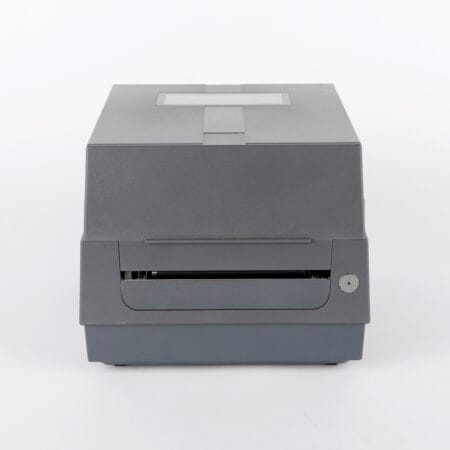




In the digital age, government institutions and financial services are increasingly reliant on efficient, secure, and reliable printing solutions. From identity documents and tax receipts to financial statements and transaction slips, the demand for high-quality printing technology is critical. Among the various printing technologies available, thermal printing has emerged as a preferred choice due to its speed, cost-effectiveness, and reliability. This blog explores the importance of thermal printer in government and financial services and how it enhances operational efficiency.
The Role of Thermal Printing in Government Services
Government agencies handle an enormous amount of paperwork, ranging from official documents and legal records to public service receipts and identification cards. The efficiency of these processes depends on a printing solution that is fast, durable, and capable of handling high volumes. Thermal printing offers several advantages that make it ideal for government applications:
1. High-Speed Printing
Government agencies require high-speed printing solutions to manage large volumes of documents quickly. Thermal printers, especially direct thermal and thermal transfer printers, offer rapid printing without compromising quality.
2. Durability and Longevity
Many government-issued documents need to withstand time, handling, and environmental conditions. Thermal transfer printing ensures longevity by using high-quality ink that resists fading, smudging, and environmental damage.
3. Security and Fraud Prevention
Government institutions prioritize security in printing official documents such as ID cards, permits, and certificates. Thermal printers can incorporate advanced security features such as holograms, watermarks, and microtext, reducing the risk of forgery and fraud.
4. Minimal Maintenance and Cost-Effectiveness
Unlike traditional inkjet or laser printers, thermal printers require minimal maintenance as they do not use ink cartridges or toners. This leads to cost savings in both operational and maintenance expenses.
5. Eco-Friendly Printing
Government agencies are increasingly focusing on sustainable solutions. Thermal printing produces less waste as it eliminates the need for ink and toner cartridges, contributing to eco-friendly office practices.
Thermal Printing in Financial Services
The financial sector, including banks, insurance companies, and financial institutions, relies heavily on printing technology for customer transactions, receipts, and financial records. Thermal printing plays a crucial role in ensuring efficiency, accuracy, and security in financial operations.
1. Fast and Efficient Transaction Processing
Speed is crucial in financial services, where customers expect quick and seamless transactions. Thermal printers can produce receipts, bank statements, and checks instantly, reducing customer wait times and enhancing service efficiency.
2. High-Quality and Legible Prints
Financial documents must be clear, legible, and resistant to fading. Thermal printers provide sharp, high-resolution prints that maintain their quality over time, ensuring accurate record-keeping.
3. Enhanced Security for Financial Transactions
Fraud prevention is a top priority in the financial sector. Thermal printing technology supports encrypted barcodes, unique identifiers, and watermarks, making it difficult for counterfeiters to reproduce sensitive financial documents.
4. Cost-Effective and Low Maintenance
Financial institutions handle thousands of transactions per day. The cost of consumables such as ink cartridges and toners can be a significant expense. Thermal printers reduce these costs while offering a more reliable and maintenance-free operation.
5. Compact and Space-Saving Design
Financial institutions often have limited space for bulky equipment. Thermal printers come in compact designs, making them suitable for bank counters, ATMs, and mobile banking services.
Key Considerations for Choosing a Thermal Printer
While thermal printing offers numerous benefits, choosing the right thermal printer for government and financial applications requires careful consideration of specific factors:
1. Type of Thermal Printing
Direct thermal printing is ideal for short-term documents like receipts and transaction slips, whereas thermal transfer printing is better for long-lasting records and official documents.
2. Print Resolution and Speed
High-resolution printing ensures document clarity, while faster print speeds improve operational efficiency.
3. Security Features
Look for printers that support encryption, watermarking, and tamper-proof printing to enhance document security.
4. Connectivity and Integration
Government and financial institutions should opt for printers that integrate seamlessly with existing systems and support various connectivity options, including USB, Ethernet, and wireless connections.
5. Durability and Maintenance Requirements
Investing in high-quality, durable printers minimizes downtime and reduces long-term maintenance costs.
Conclusion
Thermal printing has revolutionized document management in government and financial services by offering a fast, cost-effective, and reliable solution for high-volume printing needs. With its ability to produce durable, secure, and high-quality prints, thermal printing ensures seamless operations, reduces fraud risks, and enhances customer service efficiency. As government agencies and financial institutions continue to digitize and streamline their workflows, thermal printing remains an essential technology for improving productivity and maintaining operational excellence.
Solutions like BluPrints further enhance these capabilities by providing advanced thermal printing technology tailored for government and financial sectors. By integrating cutting-edge printing solutions, organizations can optimize efficiency, enhance security, and ensure seamless documentation processes.
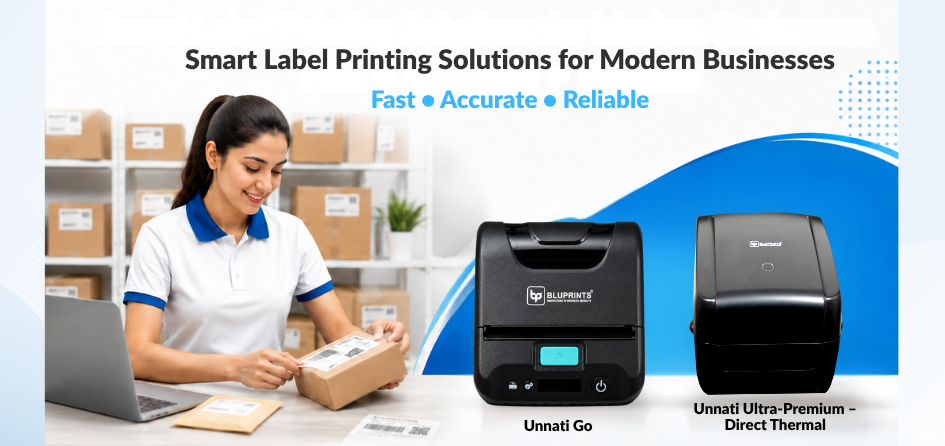
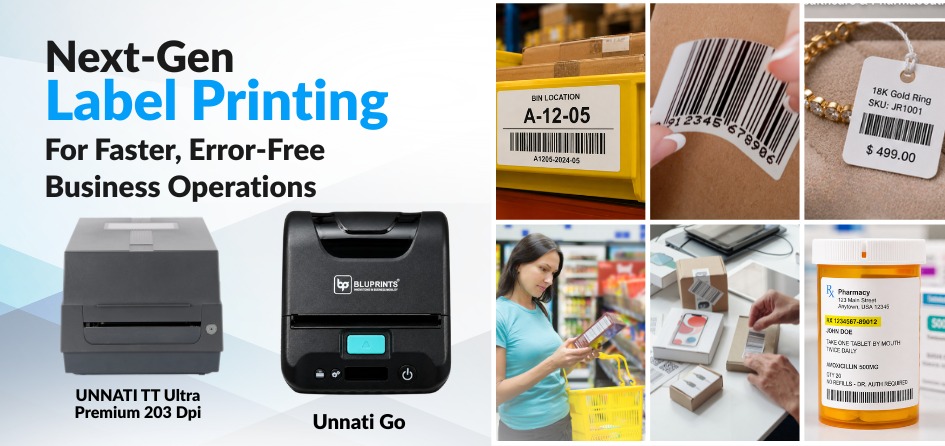



An excellent article explaining the importance of reliable thermal printing in government and financial services. The ability to print quickly, accurately, and securely makes document management more efficient and streamlines day-to-day operations.